
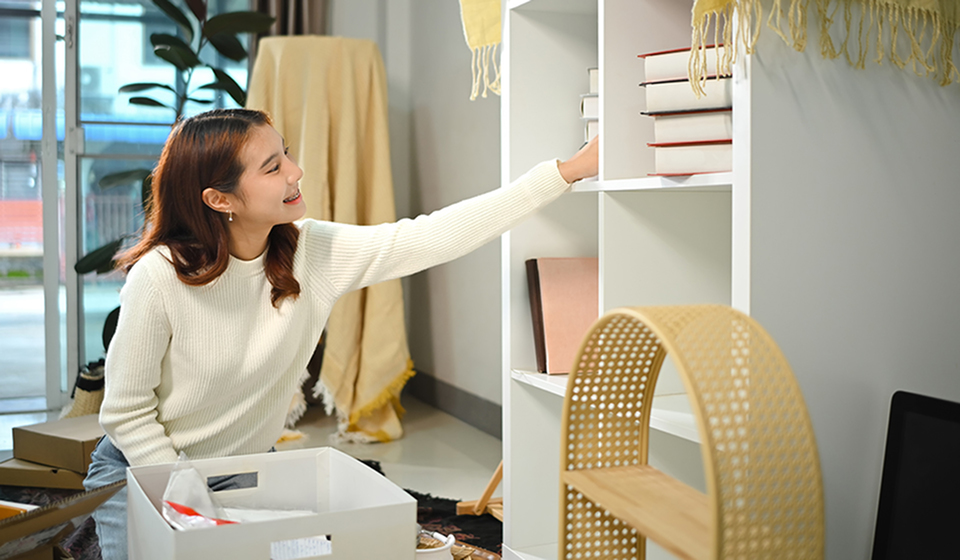
Moving into student housing brings a lot of change at once. You’re settling into a new room, meeting roommates, learning your class schedule, and figuring out what everyday life will look like once university gets busy.
The first few days after move-in are a great time to sort out the practical details before assignments, activities, and social plans start filling your calendar. A little preparation now can make your new place easier to manage and help you feel at home sooner.
7 things to do after moving into student housing near Brock
1. Unpack with a plan and set up your space
It can be tempting to open every box at once, but unpacking is much easier when you tackle things in order of priority. Start with bedding, toiletries, clothes, chargers, and anything else you’ll need for your first few days of classes.
Once the essentials are in place, organize the rest around how you’ll actually use your room. Add a few familiar touches, such as photos, artwork, or small decorations, to make the space feel more like yours.
You don’t need to finish everything on move-in day. Focus on making your room functional first. The rest can come later.
2. Learn how your building and amenities work
Your first week is also a good time to get familiar with the building itself. Find out how entry works, where to collect deliveries, how garbage and recycling are handled, and what to do if something in your apartment needs maintenance.
Take some time to explore the amenities available to you, too. Knowing where the study areas, laundry facilities, fitness spaces, and common areas are can save you time later when you actually need them.
Learning these details early means you won’t have to figure them out in the middle of an already busy week.
3. Get your class schedule and commute timed out
Your class schedule may look straightforward on your phone, but it helps to see how it works in real life. Check where each class is held and work out how much time you should allow to get there comfortably.
Try out the route you plan to take before a morning when attendance really matters. Whether you’re walking, driving, cycling, or taking transit, a practice run can give you a better idea of when you need to wake up, get ready, eat, and leave your apartment.
4. Stock your kitchen and plan a few easy meals
Your first grocery trip doesn’t need to prepare you for an entire month. Focus on foods you know you’ll actually eat and ingredients that can work across several meals.
Start with breakfast basics, a few lunch options, simple dinner ingredients, snacks, and drinks. Keep your class schedule in mind while you shop. On days when you get home late, quick meals that require very little preparation will probably be more useful than ambitious recipes.
5. Talk about shared-living expectations with your roommates
You don’t need to hold a formal roommate meeting, but a simple conversation during the first week can prevent small frustrations later. Talk about the things that affect everyone, including guests, noise, shared kitchen items, bathroom use, and keeping common areas reasonably tidy.
Be clear about what you’re comfortable sharing and what you’d prefer to keep separate. Setting expectations early is usually easier than bringing up the same issue after it has already become a source of frustration.
6. Set up a study space that works for you
Once classes begin, having a reliable place to work can make it easier to sit down and start studying without wasting time getting organized first. Keep the basics nearby, including chargers, notebooks, headphones, pens, and anything else you use regularly.
If you study at a desk in your room, try to keep it clear of clothes, food containers, and other everyday clutter.
Pay attention to where and when you concentrate best, too. You might prefer working in your room, using a dedicated study area, or switching between the two. Your first week is a good time to test what works before your workload starts to increase.
7. Get a handle on your budget early
The first few weeks after moving can get expensive quickly. Groceries, transportation, school supplies, and small household purchases can add up before you realize it.
Start tracking what you spend during your first week. You don’t need a complicated spreadsheet; a simple note on your phone can give you a useful picture of where your money is going.
Separate regular expenses from optional spending and decide roughly how much you can comfortably spend each week. Having a number in mind can make everyday decisions easier without making your university experience feel overly restrictive.
Conclusion
Your first week in student housing is really about creating routines you can comfortably maintain. Organizing your room, learning how your building works, sorting out meals and transportation, talking with roommates, setting up a study space, and keeping an eye on your budget can all make the transition into university life a little smoother.
The right living environment can also make those routines easier to maintain. If you’re looking for off-campus housing near Brock University, Foundry Lofts offers fully furnished apartments with modern amenities designed around everyday student living. With many of the essentials already taken care of at home, Foundry Lofts can give you a practical, comfortable starting point as you settle into your university routine.
Frequently asked questions
What should you unpack first after moving into student housing?
Start with bedding, toiletries, clothing, chargers, medications, and anything you need for your first classes. Once those essentials are unpacked, you can gradually unpack less urgent items.
When should you start following a study routine?
Start during your first week, even if assignments are still light. Testing different study times early can help you find a routine that works before deadlines become more demanding.
What groceries should you buy during the first week?
Choose familiar foods that can be used for quick breakfasts, lunches, dinners, and snacks. Buying versatile ingredients can also reduce waste and make meal planning easier.
What should roommates discuss after moving in?
Talk about guests, noise, cleaning expectations, shared items, and common spaces. It’s also helpful to discuss schedules so everyone understands when quiet time may be important.
How long does it take to settle into student housing?
There is no fixed timeline, and it may take a few weeks for your routines to feel natural. Give yourself time to adjust your room, schedule, and habits as you learn what works best for you.